CDC Sounds Alarm: Superbug Fungus Spreads Rapidly in Hospitals
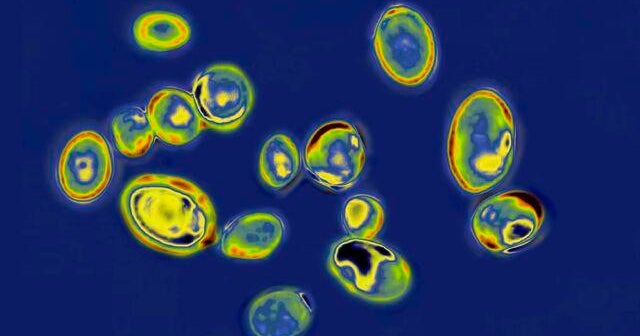
A silent, formidable enemy is making alarming inroads across healthcare facilities nationwide, prompting an urgent warning from the Centers for Disease Control and Prevention (CDC). This foe is Candida auris, a tenacious and often multi-drug resistant fungal superbug, now identified as an urgent antimicrobial resistance (AR) threat. Its ability to spread rapidly, coupled with its resistance to common antifungal medications, has made the proliferation of this deadly fungus spreading through hospitals and nursing homes a critical public health concern.
The CDC's recent pronouncements underscore the escalating crisis: Candida auris is not merely present, but its incidence is growing at an unprecedented rate, particularly in settings where vulnerable patients reside. This article delves into what makes this particular fungus so dangerous, why its spread is so challenging to contain, and what measures are being taken—and need to be taken—to protect patients and combat this emerging global health threat.
Understanding Candida Auris: The Alarming Superbug Threat
Candida auris, often referred to simply as C. auris, is a type of yeast, but it is far from ordinary. Unlike many other fungal infections that are typically mild, C. auris distinguishes itself through a trifecta of dangerous characteristics:
- Multi-drug Resistance (MDR): A significant portion of C. auris strains are resistant to multiple classes of antifungal drugs, making treatment incredibly difficult. Some strains are even resistant to all three main classes of antifungals, leaving clinicians with virtually no effective therapeutic options.
- Easy Spread and Persistence: This fungus has an extraordinary ability to colonize skin and persist on environmental surfaces, including hospital equipment, beds, and floors, for weeks. This tenacity makes it easy to spread from patient to patient, often through direct contact with contaminated surfaces or healthcare workers' hands.
- High Mortality Rates: When C. auris enters the bloodstream or invades other sterile body sites, it can cause severe, invasive infections. These infections are associated with high death rates, especially among patients who are already critically ill, elderly, or have compromised immune systems. The CDC explicitly states that it "can cause severe infections with high death rates."
The danger is amplified by the fact that C. auris infections can be difficult to diagnose. Symptoms, such as fever and chills, are often non-specific and can mimic those of bacterial infections, leading to misdiagnosis and delayed treatment. Standard laboratory tests may also fail to correctly identify C. auris, mistaking it for other, less dangerous types of Candida. This diagnostic challenge allows the deadly fungus spreading silently within healthcare environments.
The Rapid Spread: Why Healthcare Facilities Are Vulnerable
The reference context highlights that this deadly fungus spreading through hospitals and nursing homes is occurring at an "alarming rate." This rapid dissemination is not accidental; it is a direct consequence of both the fungus's inherent properties and the nature of healthcare environments.
Key Factors Contributing to Rapid Spread:
- Crowded and Vulnerable Populations: Hospitals and nursing homes house individuals who are often immunocompromised, recovering from surgery, on ventilators, or have invasive medical devices (like catheters and feeding tubes). These factors make them particularly susceptible to infection.
- Shared Equipment and Surfaces: In busy healthcare settings, equipment is often shared between patients, and surfaces are touched by numerous hands. If proper disinfection protocols are not meticulously followed, C. auris can easily transfer. Its resilience to many common disinfectants further complicates matters.
- Healthcare Worker Transmission: Hands of healthcare personnel can become contaminated with C. auris after touching infected patients or contaminated surfaces. Without stringent hand hygiene, they can inadvertently carry the fungus to other patients.
- Diagnostic Lag: As mentioned, delayed or incorrect diagnosis means infected patients may not be isolated promptly, allowing the fungus to continue spreading unchecked for longer periods. This is a critical challenge, especially when C. auris first enters a new facility.
While the initial context mentions California and "other states," the reality is that C. auris has now been identified in numerous states across the US and in over 40 countries worldwide. The significant increase in cases, particularly during the COVID-19 pandemic when infection control measures were stretched, underscores the urgency of this situation. The fungus thrives in environments with high antibiotic use, as antibiotics can eliminate beneficial bacteria, creating an open niche for resistant fungi to flourish.
The Grave Consequences: High Death Rates and Treatment Challenges
The most dire consequence of C. auris infection is its potential to cause severe illness and death. The CDC's designation of C. auris as an urgent threat is largely due to its "high death rates" in patients with invasive infections.
Impact on Patient Health:
- Bloodstream Infections: When C. auris enters the bloodstream (candidemia), it can lead to sepsis, a life-threatening response to infection that can damage organs and cause rapid decline.
- Organ Invasion: The fungus can also infect various other parts of the body, including the brain, heart, and bones, leading to grave and difficult-to-treat conditions.
- Long-term Morbidity: Even survivors may face prolonged hospital stays, require extensive medical care, and experience lasting health complications.
The urgent threat of Candida auris resisting drugs and causing high death rates places immense pressure on medical professionals. With limited effective antifungal options, doctors are often forced to use higher doses of remaining drugs, combination therapies, or rely on drugs with more severe side effects, often with uncertain outcomes. This scenario highlights the broader challenge of antimicrobial resistance, where our arsenal against pathogens is dwindling.
Beyond individual patient outcomes, the spread of this deadly fungus spreading has significant implications for the healthcare system as a whole. It leads to increased healthcare costs due to longer hospitalizations, more intensive care, and the need for specialized isolation units and enhanced infection control protocols. It also strains an already burdened workforce and diverts resources from other critical areas.
Fighting Back: Prevention, Detection, and Control Strategies
Combating the rapid spread of Candida auris requires a multifaceted, coordinated effort involving healthcare facilities, public health agencies, and even patients and their families.
For Healthcare Facilities:
- Rigorous Infection Control: This is the cornerstone of prevention. It includes meticulous hand hygiene (washing hands with soap and water or using alcohol-based hand rub), thorough environmental cleaning with EPA-registered disinfectants effective against C. auris, and strict contact precautions for infected or colonized patients.
- Rapid and Accurate Detection: Implementing specialized laboratory testing to quickly identify C. auris is crucial. Early detection allows for prompt isolation of patients and initiation of control measures.
- Surveillance and Reporting: Facilities must actively monitor for new cases and report them to public health authorities to track the spread and inform regional responses.
- Antimicrobial Stewardship: Prudent use of antifungal and antibacterial medications can help prevent the development of drug resistance, reducing the ecological pressure that allows resistant organisms like C. auris to thrive.
- Staff Education: Ensuring all healthcare personnel are aware of C. auris, its transmission, and proper prevention techniques is vital. This includes proper use of personal protective equipment (PPE).
For Patients and Visitors:
- Practice Hand Hygiene: Always wash your hands thoroughly with soap and water or use an alcohol-based hand rub when entering and leaving a patient's room, and after touching hospital surfaces.
- Ask Questions: Don't hesitate to ask healthcare providers if they have washed their hands. It's your right to ensure the highest standards of hygiene are met.
- Be Aware of Risks: If you or a loved one is immunocompromised, on a ventilator, or has invasive medical devices, understand that the risk of infection, including from the deadly fungus spreading, may be higher. Discuss any concerns with your medical team.
- Follow Isolation Precautions: If a family member is isolated due to C. auris, strictly adhere to all recommended precautions when visiting.
The battle against Candida auris is ongoing, and vigilance is paramount. While the deadly drug-resistant fungus spreading in the US presents a formidable challenge, proactive and comprehensive strategies offer the best defense against its escalating threat.
Conclusion
The CDC's urgent warning about Candida auris serves as a stark reminder of the evolving landscape of infectious diseases and the constant threat posed by antimicrobial resistance. This tenacious superbug, with its ability to resist drugs, persist in environments, and cause severe, often fatal infections, demands our immediate and sustained attention. While the statistics regarding the deadly fungus spreading are concerning, awareness and adherence to stringent infection control protocols, coupled with rapid detection and responsible antimicrobial stewardship, are our most powerful tools. By working collaboratively across healthcare systems, public health, and within our communities, we can strive to contain this silent threat and protect the most vulnerable among us from the devastating impact of Candida auris.