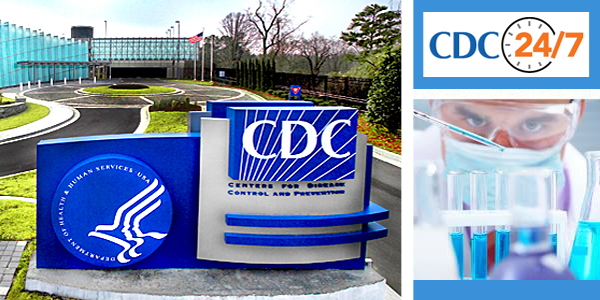
Candida Auris: A Deadly Drug-Resistant Fungus Spreading in US Healthcare Facilities
A new and alarming threat is silently making its way through hospitals and nursing homes across the United States: Candida auris (C. auris). This deadly, drug-resistant fungus spreading at an alarming rate, has been declared an "urgent antimicrobial resistance threat" by the U.S. Centers for Disease Control and Prevention (CDC). What makes this fungal superbug so concerning is its formidable resistance to multiple antifungal medications, its ease of spread within healthcare environments, and its potential to cause severe, often fatal, infections, particularly in vulnerable patients.
The rise of C. auris underscores a growing global challenge in infectious diseases, where once-treatable infections are becoming increasingly difficult to combat due to antimicrobial resistance. As this silent epidemic escalates, understanding C. auris, its risks, and prevention strategies becomes paramount for public health and safety.
What Makes Candida Auris Such a Dangerous Foe?
Candida auris is not your typical yeast infection. It's a type of yeast, a single-celled fungus, but one that possesses a unique and dangerous combination of characteristics. Discovered relatively recently in 2009, it has rapidly spread globally, surprising health officials with its resilience and virulence.
Three Key Dangers of C. auris:
- Multi-Drug Resistance: This is arguably C. auris's most alarming trait. Unlike many common fungal infections, C. auris is often resistant to multiple classes of antifungal drugs, including azoles, echinocandins, and polyenes like amphotericin B. This makes treating infections incredibly difficult, as standard antifungal therapies are ineffective. Some strains have even shown pan-resistance, meaning they are resistant to all available antifungal drugs. This severe limitation in treatment options is a primary reason the CDC has labeled it an "urgent threat."
- Easy Spread in Healthcare Settings: C. auris has a remarkable ability to colonize and persist on surfaces and equipment in healthcare facilities for extended periods. It can survive on beds, chairs, medical devices, and even skin, facilitating its rapid transmission between patients and healthcare workers. This environmental persistence, combined with inadequate infection control measures, has allowed the deadly fungus spreading to escalate rapidly in vulnerable environments like intensive care units and long-term care facilities.
- Causes Severe and Often Fatal Infections: While C. auris can colonize the skin without causing symptoms, it becomes life-threatening when it enters the bloodstream or invades other sterile body sites. It can cause serious invasive infections, including bloodstream infections (fungemia), wound infections, and ear infections. Patients in critical care, those with compromised immune systems, or those with underlying medical conditions are especially susceptible to these severe infections, which carry high mortality rates. The CDC notes that approximately 30-60% of people with invasive C. auris infections have died, highlighting the critical need for early detection and aggressive management.
The Alarming Spread Across the United States
The CDC's alarm about C. auris is well-founded, as data indicates a significant increase in reported cases and geographic spread across the U.S. The fungus, initially detected in a handful of states, is now being identified in a growing number of regions, threatening to overwhelm healthcare systems unprepared for its unique challenges.
From 2019 to 2021, the number of clinical C. auris cases in the U.S. tripled, with an even steeper increase in screening cases, indicating wider detection efforts but also broader presence. This rapid escalation underscores the fungus's capacity to spread silently and efficiently, often going unnoticed until outbreaks occur. Healthcare facilities, particularly those housing patients with complex medical needs, are ground zero for its proliferation. Long-term acute care hospitals and nursing homes, where patients often have extended stays, multiple comorbidities, and require frequent medical interventions, are especially at risk of becoming hotspots.
The implications of this spread are profound. For patients, it means an increased risk of acquiring a potentially untreatable infection. For healthcare facilities, it translates to complex and costly infection control measures, staff training, and the challenge of preventing further transmission. The rise of C. auris is a stark reminder of the continuous battle against antimicrobial resistance and the urgent need for enhanced surveillance, research, and public health interventions.
Who is Most at Risk and What are the Symptoms?
While anyone can potentially acquire C. auris, certain populations are far more vulnerable to developing severe, invasive infections. Understanding these risk factors is crucial for early detection and targeted prevention.
Key Risk Factors for C. auris Infection:
- Weakened Immune Systems: Individuals with compromised immune systems due to conditions like cancer, HIV/AIDS, or those undergoing chemotherapy or immunosuppressive therapy are highly susceptible.
- Chronic Medical Conditions: Patients with severe underlying medical conditions such as diabetes, kidney disease, chronic lung disease, or those who have had recent surgeries are at elevated risk.
- Medical Devices: The presence of invasive medical devices like central venous catheters, urinary catheters, feeding tubes, or ventilators provides entry points for the fungus and a surface for biofilm formation.
- Prolonged Hospital Stays: Extended stays in healthcare facilities, especially intensive care units (ICUs) or long-term care facilities, increase exposure to the pathogen.
- Recent Surgery or Antifungal/Antibiotic Use: Surgical procedures can create pathways for infection, and broad-spectrum antibiotic or antifungal use can disrupt the body's natural microbiome, allowing C. auris to flourish.
- Advanced Age and Infancy: The very old and very young often have less robust immune systems, making them more vulnerable.
Recognizing the Symptoms:
Diagnosing C. auris infections can be challenging because its symptoms are often non-specific and can mimic those of common bacterial or other fungal infections. Symptoms largely depend on the site of infection:
- Bloodstream Infections: Persistent fever and chills that do not improve after antibiotic treatment for presumed bacterial infections. This is particularly concerning and requires immediate investigation.
- Wound Infections: Redness, swelling, pain, or pus at a surgical site or open wound.
- Ear Infections: Pain, discharge, or hearing loss in the affected ear.
- Other Sites: Symptoms can vary widely if the fungus spreads to other organs, often presenting as a general decline in health.
It's important to note that a definitive diagnosis of C. auris infection requires specialized laboratory testing, as standard laboratory methods may misidentify it as other types of Candida. If a patient, especially one in a high-risk group, shows persistent symptoms unresponsive to typical treatments, healthcare providers should consider C. auris testing.
Combating the Superbug: Prevention and Control Strategies
Given the formidable nature of C. auris, a multi-faceted approach to prevention and control is essential, involving healthcare facilities, public health agencies, and individual vigilance.
For Healthcare Facilities:
- Vigilant Infection Control: This is the cornerstone of C. auris prevention. Strict adherence to hand hygiene protocols (handwashing with soap and water or alcohol-based hand rub), consistent use of personal protective equipment (PPE) like gloves and gowns, and environmental cleaning with EPA-registered disinfectants effective against C. auris are critical.
- Enhanced Surveillance and Rapid Identification: Healthcare facilities must implement robust surveillance systems to detect new cases quickly. This includes screening high-risk patients upon admission and during transfers. Rapid and accurate laboratory identification is key to initiating appropriate infection control measures promptly.
- Isolation Precautions: Patients identified with C. auris should be placed in single rooms or cohorted with other C. auris patients, with contact precautions strictly enforced to prevent spread.
- Antifungal Stewardship: Promoting the appropriate use of antifungal medications helps to preserve their effectiveness and reduce the selective pressure that drives resistance.
- Staff Education: Regular training for all healthcare personnel on C. auris prevention, recognition, and control measures is vital to maintain vigilance.
For Individuals and Families:
- Practice Good Hand Hygiene: If you are visiting someone in a healthcare facility, wash your hands frequently with soap and water or use an alcohol-based hand sanitizer, especially before and after entering the patient's room.
- Be Aware of Risks: If you or a loved one are in a high-risk group or residing in a healthcare facility, discuss infection control practices with staff.
- Advocate for Cleanliness: Ensure that patient rooms and shared equipment appear clean and disinfected.
- Follow Medical Advice: If you have an infection, take all prescribed medications as directed and complete the full course of treatment, even if you start feeling better.
The battle against the deadly fungus spreading is a shared responsibility. Collaboration between healthcare professionals, public health officials, researchers, and the public is crucial to contain this emerging threat.
Conclusion
Candida auris represents a significant and growing challenge to public health, cementing its status as a truly deadly fungus spreading rapidly through our most vulnerable healthcare settings. Its multi-drug resistance, ease of transmission, and high mortality rates demand immediate attention and concerted action. As this fungal superbug continues to expand its footprint across the United States, vigilance, stringent infection control practices, rapid diagnostic capabilities, and robust antimicrobial stewardship programs are not merely recommendations—they are essential lines of defense. By understanding the threat and adopting proactive strategies, we can collectively work to mitigate the impact of C. auris and protect those most at risk from this silent, yet potent, killer.